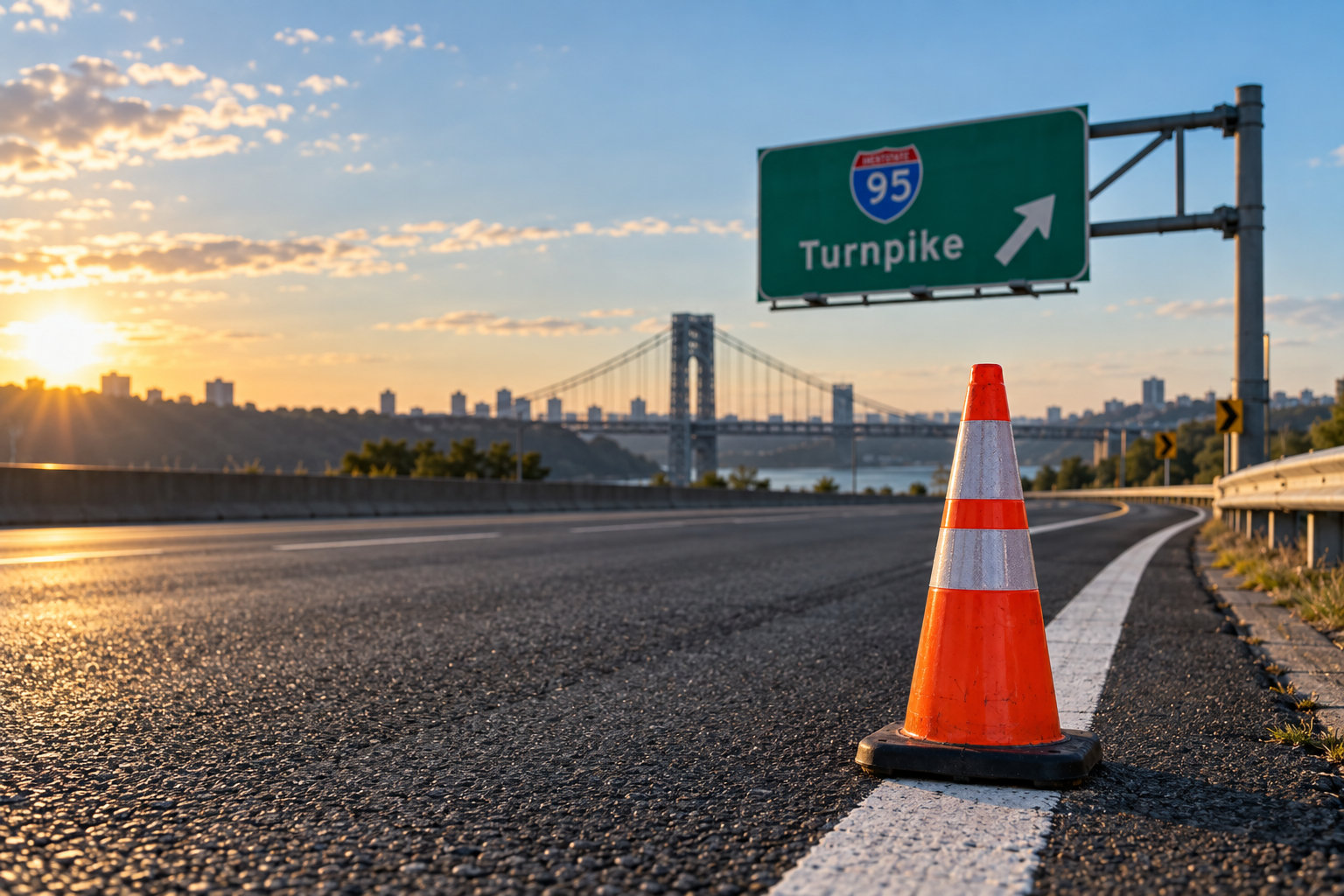
Bergen County in New Jersey is recognized for its dense network of highways and vital thoroughfares. Routes like the George Washington Bridge, route 4, interstate 95, and the New Jersey Turnpike are known for their high traffic volumes and complex intersections. These conditions have contributed to certain roads developing reputations as particularly hazardous areas for motorists and pedestrians alike.
The mix of commuter, commercial, and local traffic on Bergen County’s major routes creates multiple trouble spots within the region. Motorists who regularly travel roads such as the New Jersey Turnpike and interstate 95 must navigate changing conditions, frequent merges, and occasional congestion. Those involved in collisions along these busy stretches may turn to a Fort Lee personal injury lawyer for assistance, especially when navigating the aftermath of accidents near significant access points like the George Washington Bridge or route 4. The patterns of past incidents help shed light on why these corridors remain central to discussions about local road safety.
Key highways and accident hotspots
Route 4 stands out as a high-risk highway due to heavy commuter traffic and numerous access ramps. Sudden lane changes and congestion, especially near entrance and exit ramps, lead to frequent accidents. Drivers also report recurring slowdowns on route 4 during peak hours, particularly where local streets feed into highway lanes. The route’s proximity to key shopping areas adds another layer of complexity to daily travel and increases potential risks for all road users.
Interstate 95, also known as the New Jersey Turnpike in this region, handles immense volumes of passenger and freight traffic. The sections passing through Bergen County are particularly prone to collisions, often due to dense traffic patterns and complex interchange networks. Backups on interstate 95 can also increase rear-end crash risk when traffic shifts quickly from free-flowing to stop-and-go. The vicinity to major crossings, such as connections to the George Washington Bridge, exacerbates these challenges, especially during morning and evening rush periods.
The role of infrastructure in road safety
Some of the most dangerous roads in Bergen County owe their reputation to infrastructure challenges. Limited visibility on certain stretches, abrupt lane shifts, and confusing signage can contribute to higher accident rates. Traffic volumes increase sharply around school zones, commercial centers, and transport terminals, making these locations critical points of concern.
Experience suggests that legal professionals, like those with a bergen county injury firm, often work with individuals injured on these hazardous segments. Collisions frequently occur near bottlenecks where multiple major routes intersect, and in areas that experience rapid changes in traffic speed. In serious crashes tied to trucking and commuter traffic on the New Jersey Turnpike, a bergen county injury firm may help evaluate liability and document damages. These conditions highlight a continued need for infrastructure updates and consistent safety measures in the region.
Urban, suburban, and rural risk factors
Bergen County presents a mix of urban environments, suburban neighborhoods, and pockets of rural roadways, each with unique risks. Urban corridors near Fort Lee and the George Washington Bridge are known for congestion, aggressive lane changes, and high pedestrian activity, all contributing to frequent incidents handled by a fort lee car accident lawyer. When a crash occurs near dense on-ramps and weaving areas, a fort lee car accident lawyer may also assist with evidence collection and insurance communications.
Meanwhile, suburban and rural routes may provide a false sense of security. Reduced enforcement and poorly lit sections can lead to speeding and inattentive driving. The continual development in Bergen County means that road conditions, and accompanying hazards, are constantly shifting, and drivers must remain alert to dynamic dangers on all types of roads.
Public safety campaigns and local responses
To address the dangers on Bergen County roads, public safety awareness campaigns have targeted distracted and impaired driving, speeding, and safe pedestrian behaviors. Partnerships between public officials and local organizations have promoted greater awareness in communities that routinely navigate busy corridors such as route 4, interstate 95, and the approaches to the New Jersey Turnpike.
Ongoing efforts involve updating infrastructure and enhancing enforcement in high-risk areas. Organizations such as Vardaipane & Pinnisi, P.C. have contributed to community discussions about legal responsibility and road safety. Continued education about safe merging and following distances remains especially important near the George Washington Bridge. As Bergen County continues to grow, adapting these strategies remains an essential part of reducing risks and supporting safer journeys for all road users.